
Introduction
Rakitovitsa is a small yet deeply meaningful village that reflects the timeless charm of rural life. In a world dominated by fast cities, technology, and nonstop movement, places like Rakitovitsa quietly preserve traditions, human connection, and a slower, more balanced way of living. This village is not just a geographic location; it is a lifestyle shaped by nature, community values, and cultural continuity.
People searching for peaceful environments, authentic village culture, and traditional living often find Rakitovitsa an inspiring example. Its simplicity offers something rare today—clarity, calm, and a connection to roots that modern life often lacks.
The Location and Natural Environment of Rakitovitsa
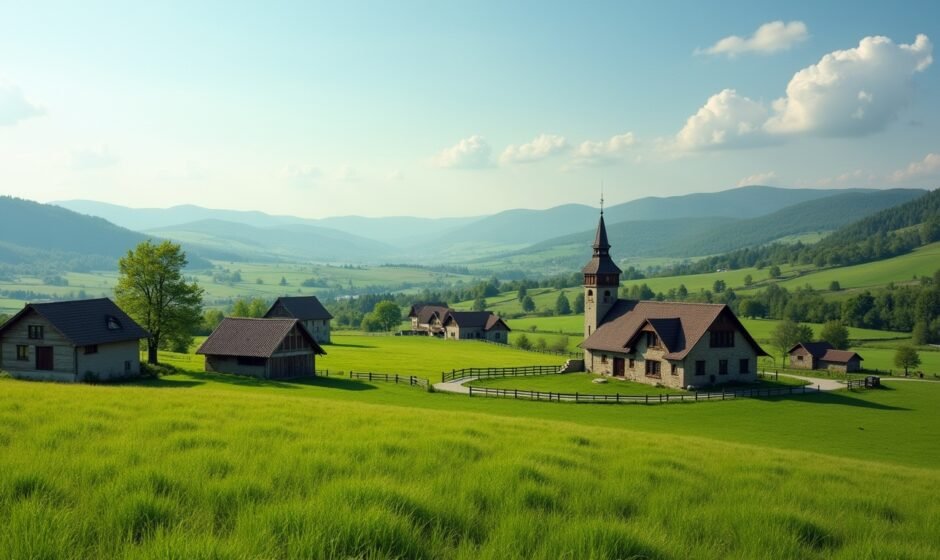
Rakitovitsa is surrounded by open land, greenery, and natural landscapes that define village life. Fields stretch beyond homes, trees line the pathways, and seasonal changes shape daily routines. Unlike urban areas, where nature feels distant, here it is part of everyday existence.
The village benefits from clean air, quiet surroundings, and a rhythm set by sunrise and sunset rather than digital clocks. Farming land, gardens, and open skies make the environment both productive and peaceful. These natural elements are not just scenery; they directly support the village economy and lifestyle.
Daily Life in Rakitovitsa Village
Life in Rakitovitsa follows a simple but meaningful routine. Mornings often begin early, with villagers attending to livestock, crops, or household responsibilities. Work is physical, honest, and connected to the land, creating a strong sense of purpose.
Unlike city jobs that feel detached, village work produces visible results. Crops grow, animals are cared for, and homes are maintained with pride. Afternoons are calmer, often spent socializing, sharing meals, or resting. Evenings bring families together, reinforcing bonds that are becoming rare in modern society.
Traditional Values and Community Spirit
One of the strongest features of Rakitovitsa village is its sense of community. People know each other, support one another, and share responsibilities during both joyful and difficult times. Weddings, festivals, and seasonal celebrations are community events, not private affairs.
Respect for elders, hospitality toward guests, and shared moral values define village culture. Children grow up learning responsibility early, while elders pass down traditions, stories, and practical knowledge. This strong social fabric gives Rakitovitsa a sense of stability and identity.
Agriculture and Rural Economy
Agriculture plays a central role in the Rakitovitsa economy. Most families rely on farming, animal husbandry, or small-scale production. Vegetables, grains, dairy products, and fruits are often grown locally, reducing dependence on outside markets.
This self-sustaining approach not only supports the economy but also ensures healthier food and a more sustainable lifestyle. Farming methods are often traditional, passed down through generations, blending experience with respect for nature.
Cultural Heritage and Local Traditions
Rakitovitsa preserves cultural customs that have survived for decades. Traditional clothing, folk music, and seasonal rituals still hold importance. These practices are not performed for tourism but are part of everyday life.
Local festivals celebrate harvest seasons, religious events, and historical moments. Music, shared meals, and storytelling strengthen cultural identity. These traditions give villagers a strong sense of belonging and continuity.
Education and Lifestyle Balance
Education in Rakitovitsa may be simpler compared to urban centers, but it is deeply rooted in practical life skills. Children learn responsibility, teamwork, and respect alongside formal education. Many villagers combine modern knowledge with traditional wisdom.
Technology exists, but it does not dominate daily life. This balance allows residents to benefit from modern tools while maintaining mental peace. Unlike cities, where stress is constant, village life offers emotional and psychological stability.
Why Rakitovitsa Still Matters Today
In today’s fast-paced world, villages like Rakitovitsa remind us that progress does not always mean speed. They represent sustainability, human connection, and balance. Many people now look toward rural living as an escape from burnout, pollution, and social isolation.
Rakitovitsa stands as an example of how simple living can still be rich, meaningful, and fulfilling. It offers lessons about patience, cooperation, and respect for nature—values that modern society urgently needs.
Future of Rakitovitsa Village
While modernization slowly reaches rural areas, Rakitovitsa faces the challenge of preserving its identity. The future depends on maintaining traditions while adopting necessary improvements like education, healthcare access, and sustainable development.
If managed carefully, the village can grow without losing its soul. Responsible tourism, local agriculture support, and cultural preservation can ensure that Rakitovitsa remains strong for future generations.
Conclusion
Rakitovitsa village represents more than rural geography—it represents a way of life grounded in nature, tradition, and human values. In an era of constant change, such villages offer stability and meaning. Whether viewed as a cultural symbol, a peaceful place to live, or a reminder of our roots, Rakitovitsa continues to hold quiet importance in the modern world.
Also Read: Star Wars Movie FX Maker Codes